
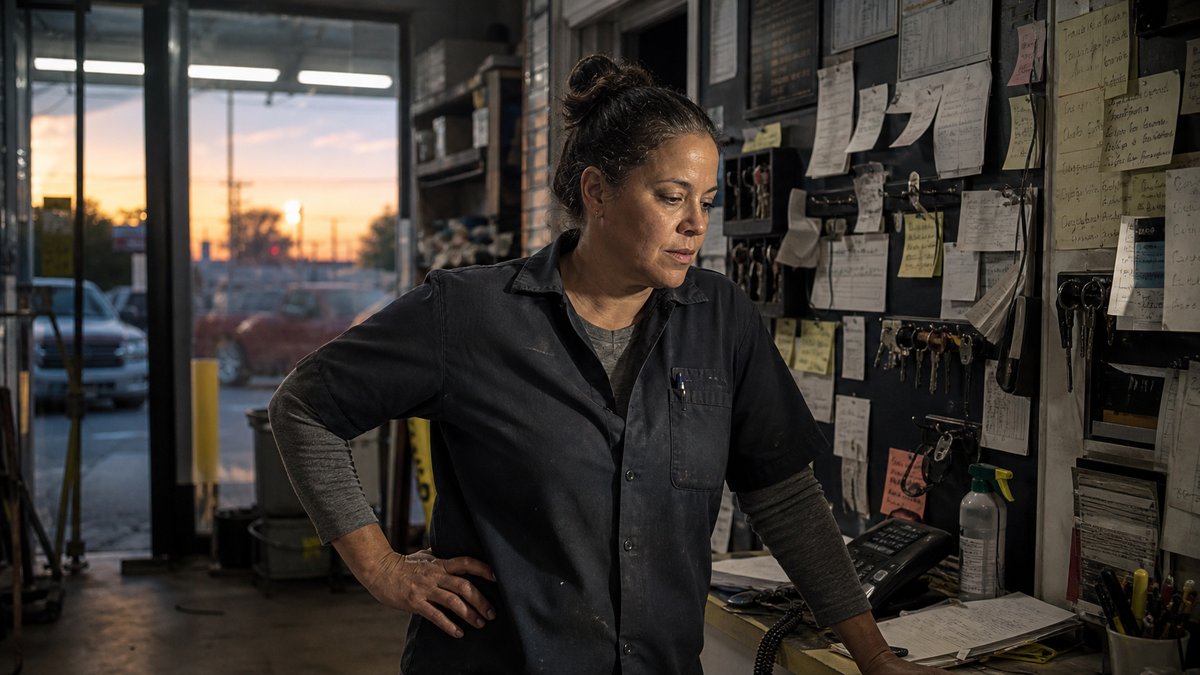
A business can appear stable because one manager is quietly preventing it from falling apart. Leaders see acceptable results and conclude that the system is functioning. What they are actually seeing is a capable person absorbing the cost of weak design.
Gallup's 2026 State of the Global Workplace report should make that pattern harder to ignore. Global manager engagement fell from 27 percent in 2024 to 22 percent in 2025, the sharpest decline among major job groups, down nine points since 2022. Managers translate strategy into priorities, explain change, coach performance, resolve exceptions, and protect the customer experience. When they disengage, the damage travels through the organization.
Many companies respond by asking managers to become more resilient, adding a workshop or a recognition program while the underlying workload remains untouched. The first leadership task is to distinguish management from organizational patchwork: mark the work that exists only because a process, role, or system is incomplete. Authority matters as much as workload: managers are often accountable for labor, service, safety, and results while lacking the authority to change staffing rules or remove a broken step.
Strong managers will always make a business better. They should not be required to make a weak business look functional. If the organization depends on a few exhausted people remembering everything, the business is not stable. It is borrowing stability from them.